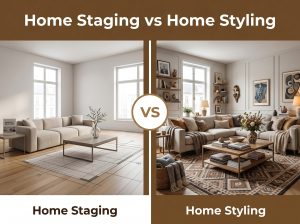
Most people walk into a beautiful space and immediately feel something — calm, joy, curiosity, even inspiration. But here’s the truth: not all styled spaces are created for the same reason. Some are designed for daily life. Others are designed to sell. That’s where the interior designer vs home stager question becomes so important.
When planning a renovation or preparing a home for sale, many people struggle to figure out which expert to hire. Should they call an interior designer, a decorator, a stylist, or a home stager? These roles sound similar, but they’re built for different outcomes. And knowing the difference can save you time, money, and missed expectations.
This article breaks it down clearly and deeply so you can decide what’s right for your property and your goals.
Interior Designer vs Home Stager: Purpose Drives Everything

Let’s start with the core comparison: interior designer vs home stager. What each professional does, and why they do it, is where the real difference lies.
An interior designer focuses on creating spaces that support how a person lives, works, or moves through their home. Their job is to understand the client’s habits, preferences, and needs, and then shape the space accordingly. This may include layout planning, structural changes, lighting design, materials selection, and color schemes tailored to the homeowner’s lifestyle.
A home stager, by contrast, prepares a property to be sold. The job is not to reflect the seller’s personality. Instead, a home stager makes the home appeal to the broadest range of buyers possible. The focus is on showcasing the space, not the stuff. The goal is to create a clean, neutral, and emotionally inviting environment that helps potential buyers picture their own lives there.
In short, interior designers design for people staying in the home. Home stagers design for people walking in for the first time, hoping to buy it.
Understanding this interior designer vs home stager difference is step one in making the right call.
Stager vs Stylist: Strategy vs Aesthetics
Another common question is stager vs stylist. This one reveals a key point about how design works in different contexts.
A stylist focuses on visual appeal. Their job is to make a space, product, or event look beautiful. Stylists are often involved in photoshoots, magazine layouts, showrooms, or even short-term styling projects. Their work is mostly about creating a mood or image — often temporary and based on current trends.
A home stager, on the other hand, works with buyer psychology. They don’t just make a room look good. They make it feel livable, bigger, and more welcoming. A stager understands traffic flow, lighting, buyer expectations, and how small changes can influence big emotions.
In a stager vs stylist comparison, the stylist might focus on cushions and candles. The stager focuses on furniture placement, color neutrality, and removing distractions that can break the buyer’s emotional connection.
Interior Decorator Comparison: Where They Fit In
Let’s clear up another mix-up, the interior decorator comparison.
An interior decorator helps style a space after the major layout is done. They don’t usually work with structural changes, architectural planning, or technical drawings. Instead, they focus on surface-level design elements like wall colors, furniture selection, textiles, lighting accessories, and finishing touches.
Decorators are great for people who already have the bones of their home built and just need help making it feel polished and personal.
In the interior designer vs home stager conversation, a decorator sits somewhere between. They work on longer-term personal spaces like designers do, but with a scope more limited to aesthetics, like stylists.
A home stager, by contrast, works fast, keeps the design neutral, and never personalizes the space. Their focus is to position the home in the market as an attractive, move-in-ready option for buyers, which is especially crucial for home staging in Melbourne, where buyer decisions often happen fast and visually.
Design Professional vs Staging Specialist: Who Do You Need?
Here’s the decision-maker. When clients ask whether to hire a design professional or a staging expert, it always comes down to intent.
If the goal is to create a home that supports everyday living, a design professional like an interior designer or decorator is the right call. They’re trained to solve long-term space problems — like how to combine a kitchen and dining area, how to use natural light better, or how to update a home to match a client’s style.
If the goal is to sell the property faster and for a higher price, a home stager is the clear choice. Stagers know what buyers look for, what makes them hesitate, and how to remove every barrier between “just looking” and “let’s make an offer.”
At Stage2Sell, our team of design professionals and stagers collaborate often, but when speed, clarity, and emotional buyer response are needed, our home staging in Melbourne experts lead the charge.
Stylist Roles in Staging: A Supporting Piece of the Puzzle
Let’s go deeper into stylist roles within the staging world. While staging is driven by buyer psychology and layout logic, stylist roles bring in the fine-tuning. Stylists within a staging team handle visual balance, color harmony, accessory placement, and creating that subtle feeling of “home” without making it personal.
They know how to soften a room with greenery, how to guide the eye with artwork, and how to blend warmth with simplicity. In many staging teams, especially in high-demand areas like home staging in Melbourne, stylists are the finishing touch that turns a good presentation into a memorable one.
So while a stager vs stylist comparison shows two different goals, many staging companies integrate both.
Interior Designer vs Home Stager: Key Differences
Aspect | Interior Designer | Home Stager |
|---|---|---|
Primary Purpose | Designs a home for long-term living based on the homeowner’s lifestyle and taste. | Prepares a home to sell quickly and attractively for the target buyer market. |
Focus Area | Functionality, personalization, comfort, and daily use. | Broad appeal, neutral styling, emotional buyer connection. |
Project Timing | Usually hired during renovation or after a property purchase. | Usually hired before listing a property on the market. |
Design Style | Reflects homeowner’s personality, preferences, and design vision. | Creates a neutral, universally appealing space with buyer psychology in mind. |
Styling Approach | Custom materials, permanent fixtures, and sometimes structural changes. | Uses rental furniture, light accessories, and temporary setups. |
Who They Work With | Homeowners, architects, builders, and contractors. | Real estate agents, property developers, and homeowners planning to sell. |
End Result | A home tailored to the resident’s life and taste. | A home designed to stand out in listings and sell at a competitive price. |
Related Roles | Part of the broader design professional category; may overlap with decorators. | Often includes stylist roles, especially in premium home staging in Melbourne projects. |
Common Confusion | Often mistaken for decorators or stylists. | Often mixed up in the stager vs stylist conversation. |
Best For | Those renovating, building, or settling into a long-term residence. | Those preparing to sell, especially in fast-paced markets like Melbourne. |
Final Take: Interior Designer vs Home Stager — What to Choose?
Here’s the most grounded advice:
Ask yourself, Is the property being lived in or being sold?
If it’s being lived in, a design professional like an interior designer or decorator will help shape it into a personal sanctuary.
If it’s being sold, a home stager will help remove the personal touches, highlight the home’s best features, and help buyers see their future in the space.
From the interior decorator comparison to the details around stylist roles, everything circles back to purpose. And when the purpose is sale, the speed and strategy of home staging in Melbourne becomes a smart, proven investment.
At Stage2Sell, we’ve helped hundreds of Melbourne homeowners make that exact shift – from home to market-ready. And if you’re not sure which service you need, we’ll guide you. Because design is emotional. Selling is emotional. And making the right decision should never feel confusing.
Faqs
An interior designer creates personalized spaces for living. A home stager prepares homes to sell by making them appeal to buyers. The interior designer vs home stager difference lies in purpose — one designs for living, the other for selling.
Choose a stager when selling your home. A stylist focuses on temporary looks, while stagers plan layouts and buyer appeal. In the stager vs stylist debate, stagers are more effective for property sales.
Home staging in Melbourne uses neutral design, layout planning, and buyer psychology to boost appeal. It helps homes stand out, look move-in ready, and sell quicker in a competitive market.
No. In the interior decorator comparison, decorators style rooms but don’t change layouts or prep homes for sale. They focus on visuals, not function or staging strategy.
Stylist roles in staging include placing accessories, softening rooms, and adding warmth. They work with stagers to make homes feel balanced and buyer-ready.
Some design professionals offer staging, but the focus differs. Designers personalize, while stagers neutralize. Choose the right expert based on your goal — custom living or ready-to-sell styling.
It helps you hire the right person. If you’re selling, go with a stager. If you’re renovating to stay, choose a designer. The interior designer vs home stager difference saves time and cost.