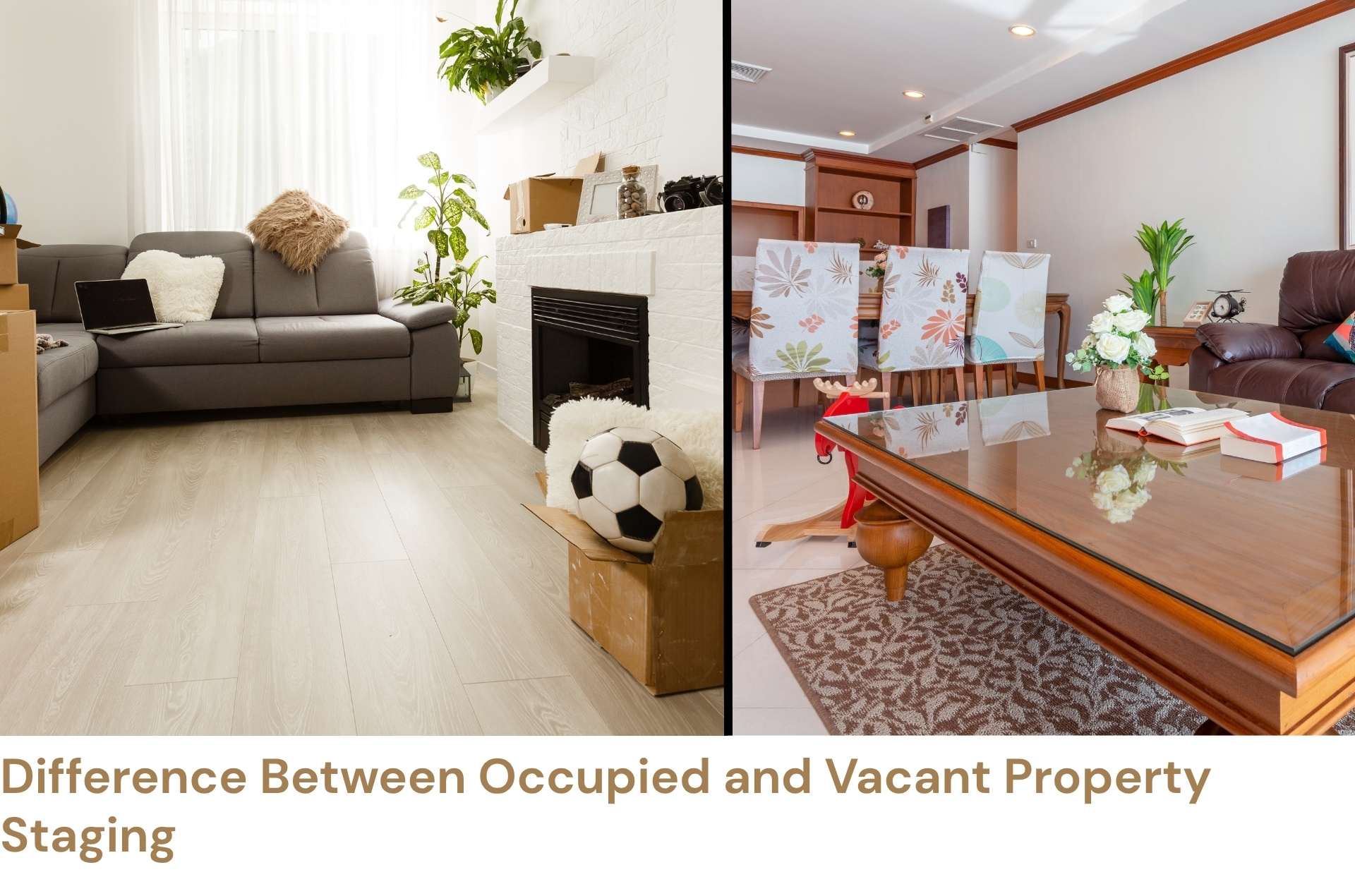
When a home goes on the market, first impressions matter a lot. Buyers usually decide how they feel about a property within seconds. In fact, research shows that over 80% of buyers find it easier to visualise a staged home compared to an empty one, and staged homes can sell 2–3 times faster than non-staged ones.
This is why property staging has become an important part of real estate marketing.
But not all homes need the same type of staging. There are two main categories: occupied staging and vacant staging. Both help create a warm, attractive space, but the approach, styling, and effort involved are very different.
This guide explains occupied vs vacant staging, how they work, what they include, and how to choose the right option for your property.
What is Occupied Home Staging?
Occupied home staging means the owner is still living in the property while it is being prepared for sale. The staging team works with the furniture and decor that already exist in the home and adds extra styling items to make the space look cleaner, brighter, and more modern.
How It Works
- The stylist studies the home and checks what can stay and what should be removed.
- Unnecessary or personal items (like family photos, extra furniture, or clutter) are taken out.
- The stager brings in extra items such as:
- Artwork
- Cushions
- Plants
- Lamps
- Rugs
- Small furniture pieces
- Decorative accessories
These items help balance the room and create a lifestyle that buyers can connect with.
Benefits of Occupied Staging
- Cost-effective because it uses most of the existing furniture.
- Less disruption since the homeowner does not need to move out.
- Makes the home look clean and welcoming for inspections.
- Highlights the best parts of the property using strategic styling.
Best For
- Homes are already in good condition
- Sellers living in the property
- Homes with large rooms and decent furniture
- Smaller budgets
Occupied staging is simple but powerful. It turns the homeowner’s everyday space into a polished, buyer-ready home.
What is Vacant Home Styling?
Vacant home styling is used when the property is completely empty. There is no furniture, no decor, and no personal items inside. The styling team brings everything needed to create a full interior look.
How It Works
- The stylist designs each room based on size, layout, and target buyer.
- Full furniture packages are delivered, including:
- Sofas
- Dining tables
- Beds
- Side tables
- TV units
- Chairs
- Outdoor furniture
- Decor items are added, such as:
- Wall art
- Bedding
- Mirrors
- Plants
- Vases
- Throws
- Cushions
Because the home is empty, the stager has complete control over the design, which leads to a clean, modern, magazine-worthy look.
Benefits of Vacant Staging
- Gives buyers a clear sense of scale empty rooms often look smaller.
- Helps buyers imagine how to use each space.
- Creates a high-impact visual appeal for photos and videos.
- Allows full styling freedom, which usually brings better results.
Best For
- Brand-new properties
- Investment properties
- Homes already vacated by owners
- Homes with awkward layouts that need design direction
- High-value homes wanting premium styling
Vacant staging turns a cold, empty space into a warm, inviting home that people feel excited about.
Occupied vs Vacant Staging: What’s the Real Difference?
Feature | Occupied Staging | Vacant Staging |
Furniture | Uses mostly existing items | Requires full furniture hire |
Cost | Usually lower | Higher due to complete set-up |
Flexibility | Limited to what is already in the home | Full design freedom |
Visual Impact | Moderate | Very high |
Ideal For | Sellers still living in the home | Empty or new properties |
Staging Time | Shorter | Longer (delivery + setup) |
In Simple Words:
- Occupied staging refreshes what you already have.
- Vacant staging builds everything from scratch.
Both can transform a home, but vacant staging usually creates a more polished and premium look because every item is chosen specifically for the space.
Which Option Should You Choose?
Ask yourself these questions:
- Is the home empty? If yes, you clearly need vacant staging.
- Are you living in the home during the sale? If yes, occupied staging may be more comfortable.
- Does your furniture suit modern styling trends? If no, vacant staging will give better results.
- Do you want the strongest impact in photos? Vacant staging produces more “wow factor” for listings.
- Are you on a tight budget? Occupied staging is more affordable.
Final Thoughts
Both occupied staging and vacant staging help create a strong first impression, but the right choice depends on your home, your goals, and your budget. Occupied staging works well when you want to refresh your existing space, while vacant home styling brings a high-end, fully designed look that attracts more buyers.
Whether your home is lived-in or empty, a well-styled property always stands out. If you are ready to make your home look its absolute best, Stage2Sell Property Styling Melbourne offers both occupied and vacant staging options to suit every style and property type.
Frequently Asked Questions
Yes. Occupied staging is usually more affordable because the stylist uses most of the furniture already in the home. You only pay for extra décor, accessories, and minor furniture pieces. Vacant staging needs full furniture hire, so the cost is higher.
Occupied staging can be completed in a few hours to one day depending on how many rooms need styling. Vacant staging usually takes one full day, as the team needs to deliver and set up all furniture and decor items. Larger homes may take slightly longer.
Empty homes look cold, small, and less memorable. Buyers struggle to imagine how furniture will fit. Staging helps show room scale, lifestyle, and flow. Studies show that staged homes can sell 2–3 times faster, and buyers connect more emotionally with furnished spaces.
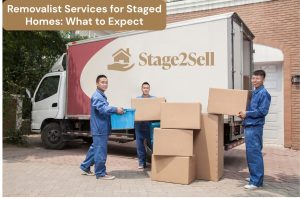
For vacant staging, all furniture and accessories are hired for a fixed period (usually 4–6 weeks). After the campaign, the styling company collects everything. For occupied staging, any hired accessories are also collected once the sale period ends.
Yes, but it depends on the condition and style. The stylist may keep the pieces that work and replace others with modern items. They also add artwork, linens, cushions, and decor to refresh the space. If the furniture is very worn-out, vacant staging or partial furniture hire may be recommended.